
Deck Repair in Washington: Avoiding Costly Mistakes and Maximizing Longevity
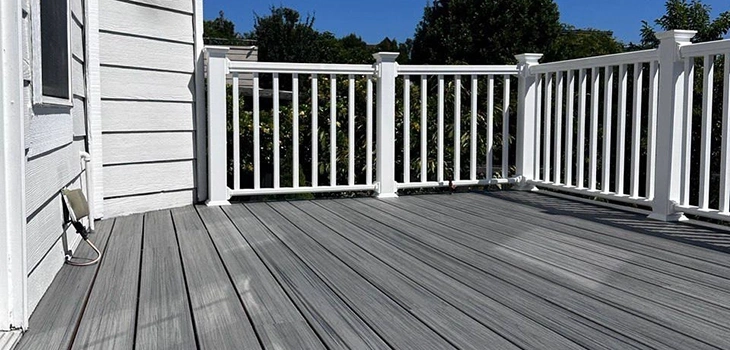
In Washington State, decks face harsh weather year-round: constant rain, high humidity, occasional snow, and scorching sun in the summer. These conditions wear down even the most solid structures. Many homeowners overlook early signs of damage, which often leads to costly repairs. Proper and timely deck repair not only improves safety but also saves thousands of dollars over time.
1. Warning Signs You Shouldn’t Ignore
Most decks don't collapse overnight. Damage builds up gradually. Here are red flags to watch for: - Soft, splintering, or cracked boards - Discoloration, black spots, or mold - Rusted or missing fasteners - Loose railings, stairs, or wobbly support posts - Water pooling in specific areas after rain Letting these issues go unresolved can lead to structural failure, especially in Washington’s wet climate.
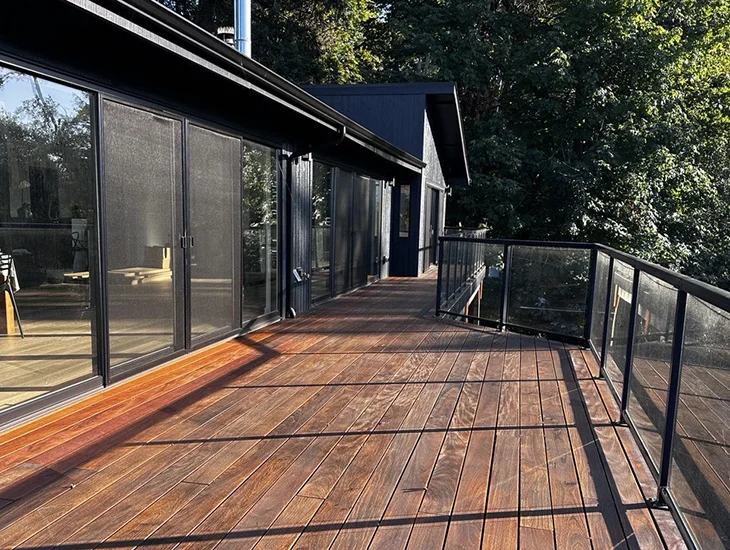
2. When Should You Repair vs. Replace Your Deck?
If the damage is isolated — a couple of warped boards or loose steps — repairs are often enough. But if the underlying frame (joists, posts) is compromised, full replacement may be safer and more cost-effective long-term. Another critical factor is age: - Decks over 15–20 years old often need more than patchwork. - Modern codes and materials have improved — replacing an outdated deck may bring better safety, design, and value.
3. Choosing the Right Materials for Repairs
In Washington, moisture resistance is a must. For wood decks, pressure-treated lumber is a baseline. Better options include: - Redwood or cedar, naturally resistant to rot - Composite decking, which doesn’t warp or split - Stainless steel screws and brackets, essential in wet environments Avoid untreated wood or cheap nails — they’ll fail fast in the Northwest weather.
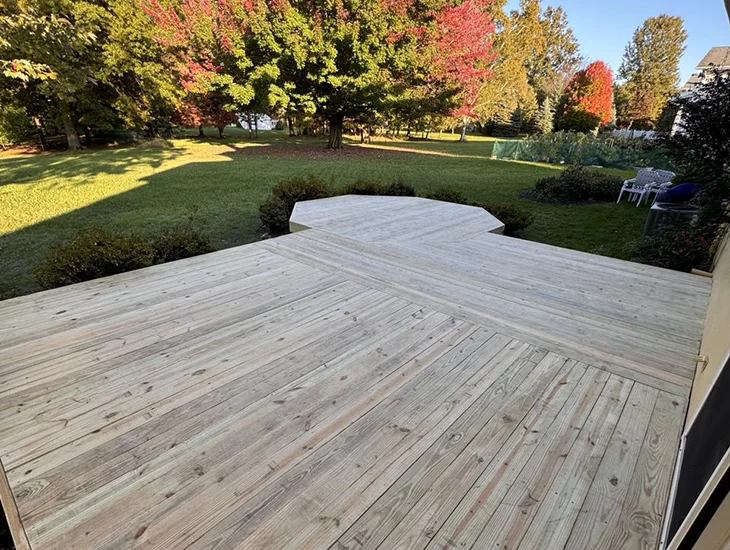
4. Top 5 Mistakes Homeowners Make During Deck Repairs
1. Painting over rot instead of removing it 2. Ignoring frame issues and only fixing boards 3. Skipping permits for structural changes 4. Not checking the ledger board for rot or separation 5. Using indoor wood materials outside These mistakes lead to fast deterioration or unsafe conditions. If in doubt, always consult a professional.
5. Post-Repair Maintenance Tips
Once your deck is repaired, don’t forget maintenance: - Apply sealer or stain every 2–3 years - Sweep off leaves and debris regularly - Power wash once a year - Inspect screws, brackets, and railings each spring Good maintenance can extend your deck’s life by 10+ years.
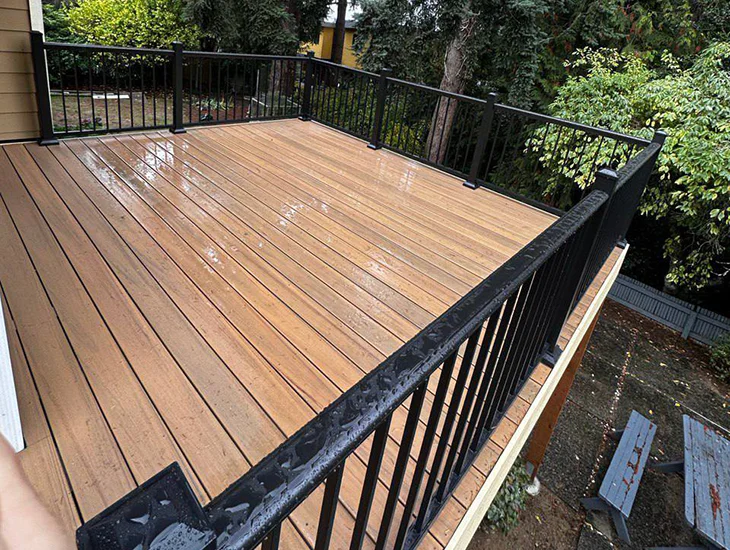
6. Final Word: Don’t Wait Too Long
In Washington, where rain is frequent and dry days are few, small deck problems can grow fast. A loose board today could become a dangerous fall hazard in a few weeks. Early repairs are faster, cheaper, and safer.
7. The best way is to contact a professional
It's simple and to do so, you need to find out what kind of work Siabuids does.