
Composite Decking Vs Wood Decking In Washington State: Which One Is Worth It
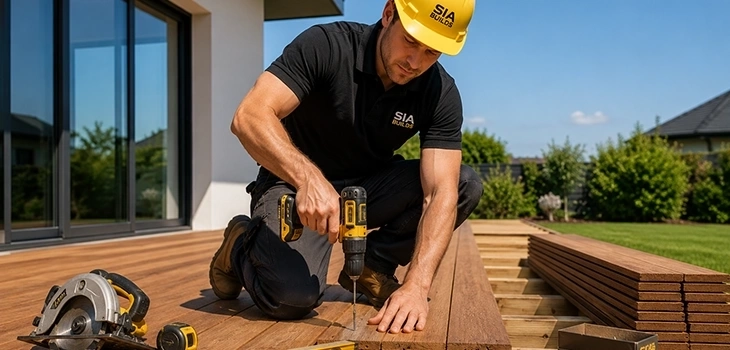
In Washington State, choosing the right decking material is one of the most important decisions a homeowner can make. The climate here is not forgiving. Rain, humidity, shade, moss, and cold winters put constant pressure on any outdoor structure. A deck that looks great in year one can start rotting, warping, or fading by year three if the wrong material was chosen.
Homeowners in Kirkland, Sammamish, Bellevue, Edmonds, and the greater Seattle area ask the same question every season: should I build with wood or composite? Both options have real advantages and real drawbacks. The right answer depends on your budget, your priorities, and how much maintenance you are willing to do over the years.
This article breaks down the differences between wood and composite decking so you can make an informed decision before your project starts.
1) What Is Wood Decking
Wood decking is the traditional choice. It has been used for decades and is still common across the Pacific Northwest. The most popular species for outdoor decks include pressure treated pine, cedar, and redwood.
Pressure treated lumber is the most affordable option. It is chemically treated to resist rot and insects, which makes it a practical choice for ground contact and structural framing. Cedar is a step up in appearance and natural rot resistance. It has a warm, attractive grain that many homeowners prefer. Redwood is a premium option with excellent durability and a rich color, though it is harder to find and more expensive in Washington.
Wood decking can look beautiful when it is fresh and well maintained. It also feels natural underfoot and handles heat better than some composite products in direct sun.
2) What Is Composite Decking
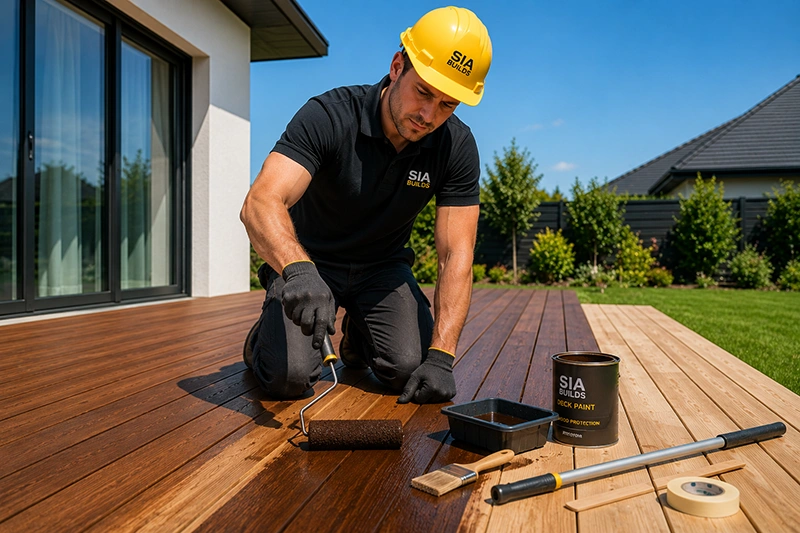
Composite decking is an engineered product made from a blend of wood fiber and recycled plastic. Leading brands like Trex, TimberTech, and Fiberon are widely available in Washington and are designed specifically for wet, high-moisture environments.
Modern composite boards come with a protective outer shell that resists fading, staining, mold, and scratches. They do not need to be sanded, stained, or painted. Most products come with 25 to 50 year warranties depending on the line.
Composite decking has improved significantly over the past decade. Early versions sometimes warped or faded quickly, but current products from quality brands look and perform much better. Colors are consistent, grain patterns look realistic, and the surface holds up well through wet Washington winters.
3) Wood Vs Composite: Key Differences
A) Moisture And Rot Resistance
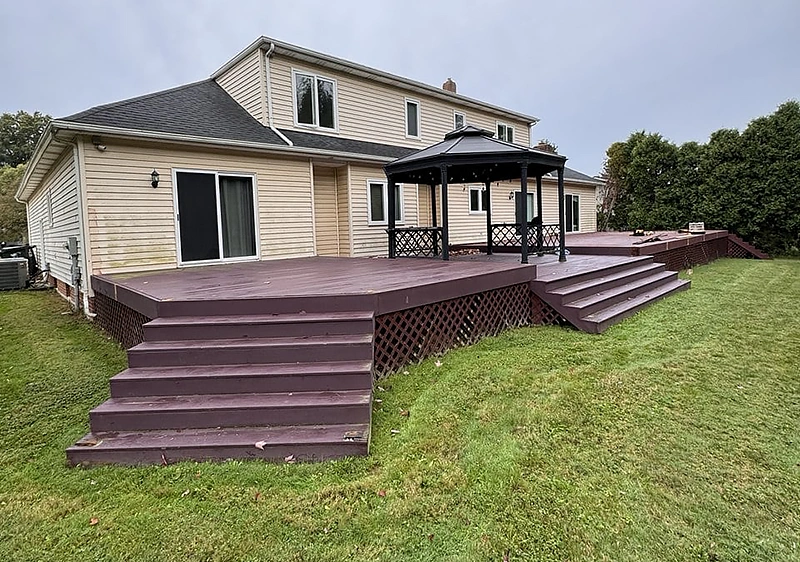
Moisture is the defining issue for any deck in Washington. Wood absorbs water, and if it is not properly maintained, it begins to rot, warp, and crack. Even pressure treated lumber requires regular sealing or staining to hold up over time.
Composite decking is engineered to handle moisture. The outer shell prevents water from soaking into the board, which significantly reduces the risk of swelling, warping, and mold growth. In a climate like Seattle or Kirkland where decks stay wet for months, composite holds a clear advantage.
B) Maintenance Requirements
Wood decks require consistent attention. Every one to three years, the surface typically needs cleaning, sanding, and a fresh coat of stain or sealant. If you skip maintenance cycles, the wood degrades faster and repair costs go up.
Composite decks require very little maintenance. An occasional rinse with soap and water keeps the surface clean. There is no sanding, no staining, and no sealing. For busy homeowners, this is often one of the biggest deciding factors.
C) Upfront Cost Vs Long Term Cost
Wood decking costs less to install. Pressure treated lumber is significantly cheaper per board than most composite products. For homeowners working with a tight budget, wood can be the only realistic option at the start.
However, composite costs less over time. When you factor in the cost of staining, sealing, repairs, and board replacements over ten or fifteen years, composite often ends up being the more economical choice. It is worth thinking about total cost of ownership, not just the price at the start.
D) Appearance Over Time
A new wood deck looks excellent. But without maintenance, wood grays out, develops cracks, and can start to look neglected within a few seasons. In shaded or north-facing yards, moss and algae growth on wood can also become a regular issue.
Composite decking holds its color much longer. Quality boards from brands like Trex Transcend or Trex Signature are designed to resist fading for decades. The appearance stays consistent year after year with minimal effort.
E) Feel And Comfort
Wood feels natural and stays cooler in summer than some composite products. This matters if your deck gets direct afternoon sun. Some composite boards can get warm in summer heat, though newer products are better in this regard than older generations.
4) What Works Best In Washington State
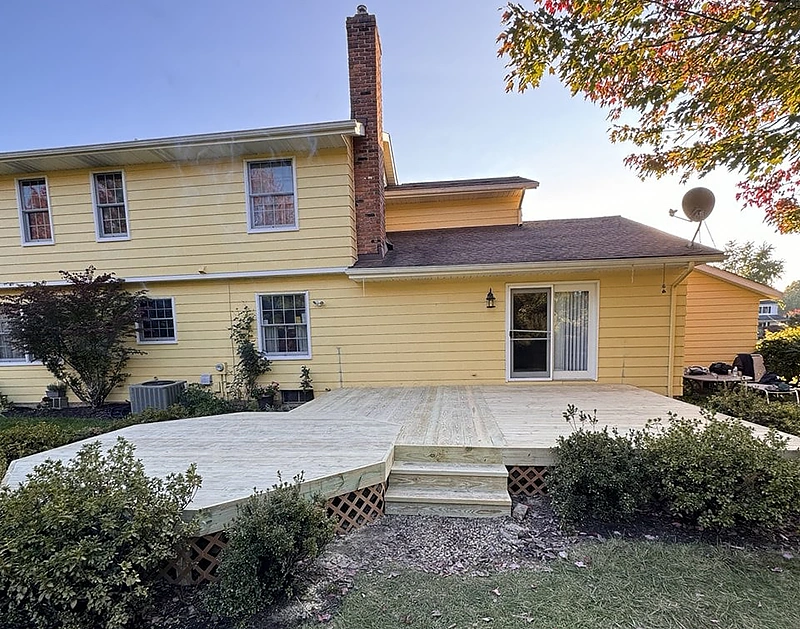
For most homeowners in the greater Seattle area, composite decking is the stronger long-term choice. The consistent rain and humidity make wood maintenance more demanding here than in drier parts of the country. Composite handles the climate better and reduces the ongoing work and cost.
That said, wood still makes sense in certain situations. If the budget is tight and you are comfortable with regular maintenance, pressure treated or cedar can give you a great deck. The key is to commit to the maintenance schedule and not let it slide.
5) When Composite Is The Better Choice
Composite is usually the right answer if:
- You want low maintenance over the long term.
- Your deck will be in a shaded or high moisture area.
- You are building a deck you plan to keep for ten years or more.
- You want consistent color and appearance without annual upkeep.
- You are building a higher-end outdoor space and want it to look great for years.
- You are working with a limited budget.
- You are comfortable staining and sealing the deck every one to two years.
- You prefer the look and feel of natural wood.
- The deck gets good sun exposure and dries quickly after rain.
- How much sun does the deck get?
- Is it close to trees, planters, or soil?
- How long do you plan to stay in the home?
- What is your realistic maintenance commitment?
- What is your total budget including future upkeep?
- Improper spacing between boards, which can cause buckling.
- Installing composite over a frame that has moisture issues.
- Choosing a low quality product that does not have a protective shell.
- Skipping hidden fasteners, which leads to surface screw corrosion.
- Not accounting for thermal expansion in long board runs.
6) When Wood Can Be A Good Choice
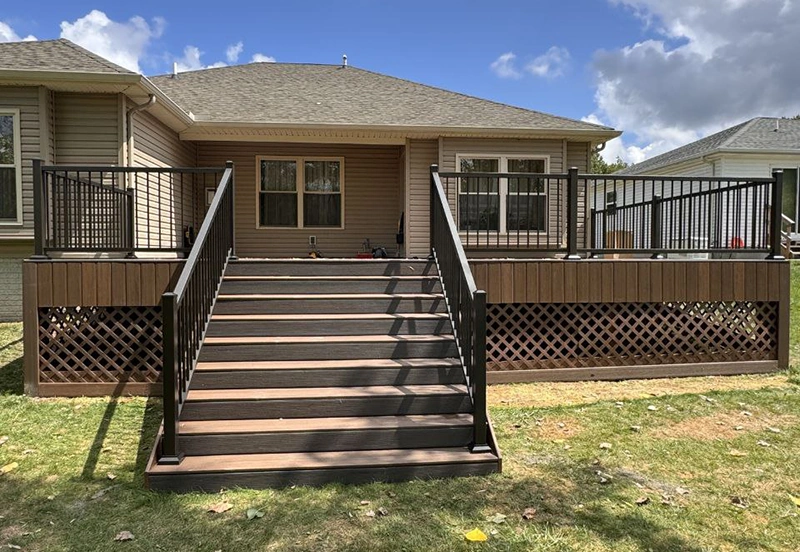
Wood can still be a solid option if:
Wood is not the best choice for heavily shaded decks, ground-level decks with poor drainage, or projects where the homeowner knows maintenance will be infrequent.
7) The Most Important Step: Choosing The Right Product For Your Specific Deck
The best material depends on your specific situation, not just a general rule. A south-facing deck in Sammamish with full sun exposure is a very different project from a north-facing deck in Edmonds surrounded by trees.
Before committing to a material, think about:
A contractor who understands the local climate and has experience with both materials can help you evaluate these factors and choose the right product.
8) Composite Decking Options Available In Washington
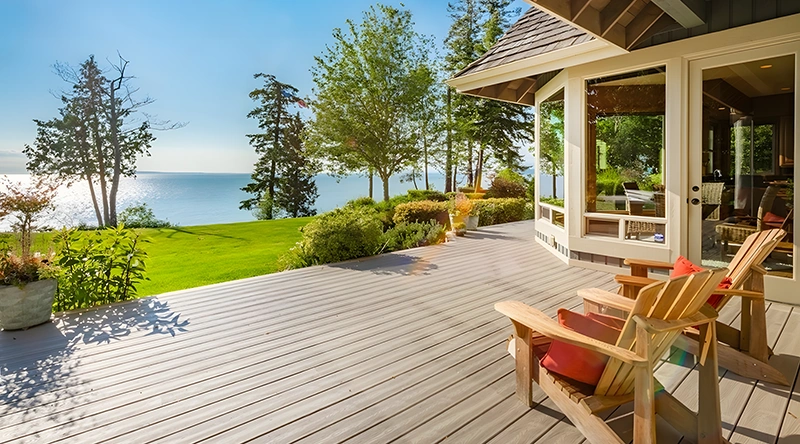
Several composite brands are widely available through local suppliers in the Seattle area. Trex is the most recognized name and offers multiple product lines at different price points. Trex Enhance and Trex Select are solid entry level options. Trex Transcend is a popular mid-to-premium choice. Trex Signature is the top of the line with the most realistic wood appearance and the strongest warranty.
TimberTech and Fiberon are also available and offer competitive products. Local suppliers like Dunn Lumber carry a wide range of composite products and can help with material estimates for your specific project.
9) Why Some Composite Decks Fail Early
Not all composite installations perform the same. Common mistakes that lead to early problems include:
Proper installation matters as much as material selection. A quality product installed incorrectly will not deliver the results it promises.
10) Quick Practical Recommendation

If you are trying to decide between wood and composite, start with a simple question: how much time and money are you willing to spend on maintenance over the next ten years?
If the answer is very little, composite is almost certainly the better investment. If you enjoy the process of maintaining your deck and prefer natural wood, a well-maintained cedar or pressure treated deck can still look excellent in Washington.
Both wood and composite can produce a beautiful, functional deck in Washington State. The difference comes down to priorities. Composite offers lower maintenance, better moisture performance, and more consistent long-term appearance. Wood offers a lower upfront cost and a natural feel that many homeowners love.
For most projects in the Seattle metro area, composite decking is the smarter long-term investment given our climate. But the right choice is always the one that fits your specific deck, your budget, and your lifestyle.
If you are planning a new deck or replacing an existing one and want an honest assessment of your options, SiA Builds works with both wood and composite and can help you find the right solution for your project.