
How Much Does It Cost to Build a Deck in Seattle?

One of the first questions I get is: "How much is a new deck going to cost me?" And I get why people ask. You search online for five minutes and somehow the answer is anywhere from $8,000 to $80,000.
The problem is that decks aren't really priced by size alone. Two decks with the exact same square footage can have completely different prices depending on what's underneath them, how high they sit, what they're made of, and how complicated they are to build.
Instead of throwing out one number, here's what actually changes the price and what a realistic starting range looks like.
A Rough Starting Point
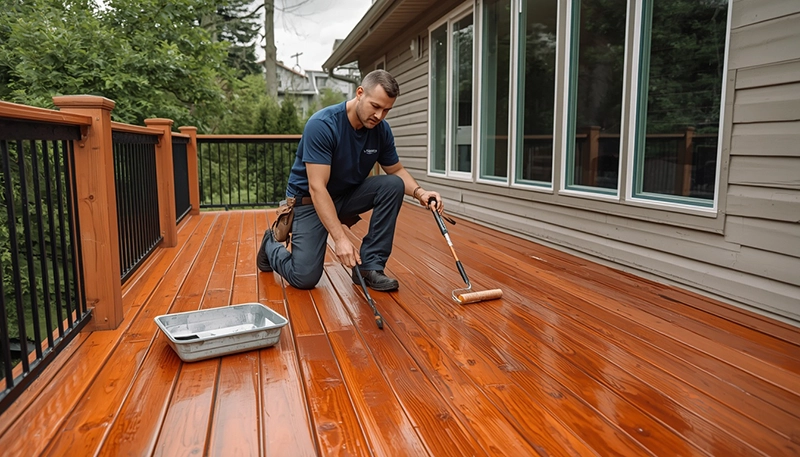
To give you something to anchor on: even a small, simple deck usually starts from around $10,000 once you factor in materials and labor. From there, the price climbs based on size, material choice and complexity. A larger deck with upgraded materials, stairs and railings can easily go beyond $40,000.
Those numbers can move significantly depending on framing, height, material choice and site access. That's why we always look at the actual project before giving a firm number.
Think of it as a rough starting point, not a quote.
Size Matters, But It's Not Everything
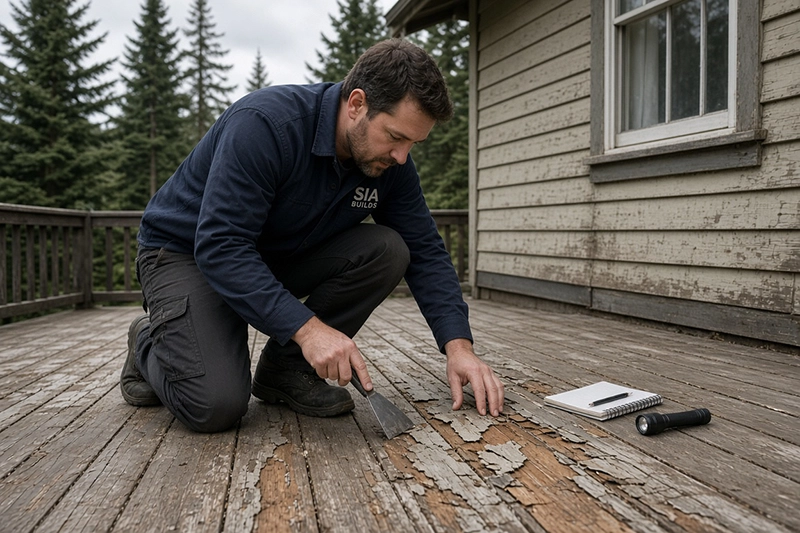
Obviously, a 500-square-foot deck costs more than a 200-square-foot deck. More framing, more decking, more footings, more labor.
But square footage is only the starting point.
A simple rectangular deck close to the ground is one thing. Take that same square footage, raise it ten feet, add stairs, railings, multiple levels and difficult backyard access, and you're looking at a completely different project.
That's why a price per square foot can be useful for a rough idea, but it's not something I'd use to actually budget a job.
Wood Or Composite Makes A Big Difference
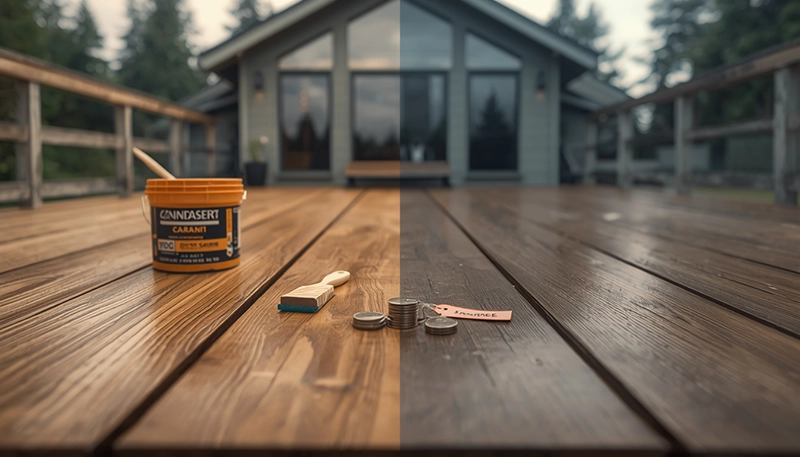
Pressure-treated wood is usually the least expensive way to build a deck upfront. Cedar costs more, and composite products like TimberTech or Trex move the material price higher again.
But there's another side to that number.
Wood needs maintenance. In Washington, that means cleaning, staining or painting, and eventually replacing boards that don't handle the moisture well. Composite costs more upfront, but you're not sanding and staining it every few years.
If you already have a wood deck and you're deciding whether it actually needs to be replaced, take a look at our deck refinishing work. Sometimes restoring what you already have makes more sense than rebuilding it.
Neither material is automatically better. It depends on whether you care more about the initial price or about reducing maintenance later.
Railings, Stairs And The Stuff People Forget
This is where deck budgets often get off track.
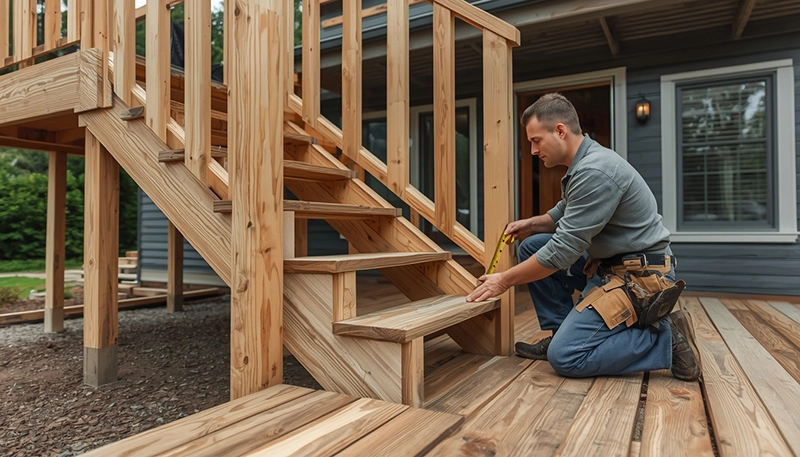
People think about the deck surface, but railings can be a significant part of the project. Stairs require additional framing, footings and labor. Fascia, lighting, picture-frame borders and premium railing systems all add up too.
Then there's the structure underneath.
If we're rebuilding an existing deck and the framing is still in good condition, sometimes we can reuse part of it. If the posts, beams or joists are damaged, undersized or badly built, they need to be corrected before new decking goes on top.
You can see examples of how we approach the entire structure, not just the surface, in our custom deck builds.
A nice composite board doesn't help much if the frame underneath it is failing.
What About Permits?
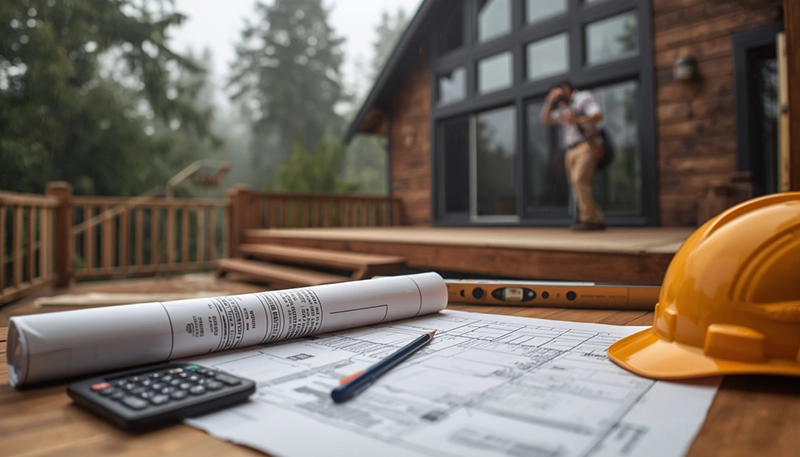
Permit requirements are another part of the budget that homeowners sometimes overlook.
In Seattle, a deck with a walking surface more than 18 inches above grade generally requires a permit. Roof decks, decks in environmentally critical areas and projects involving more complicated structural conditions can have additional requirements.
The exact permit process depends on the deck itself, its height, location, design and the scope of the work.
Some straightforward projects may qualify for a simpler permitting process, while larger or more complicated decks can require plans, additional review or engineering.
That's why we prefer to figure out the permit situation while planning the project rather than after construction has already started.
What Actually Matters When You Budget
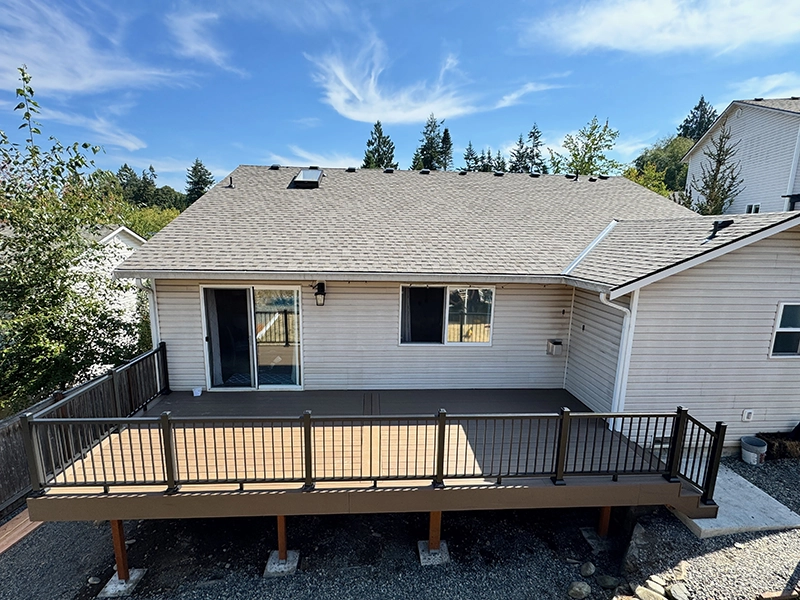
If you're trying to budget a deck, don't start by asking what decks cost "per square foot." Start with what you actually want to build.
Measure the approximate size. Decide whether you're leaning toward wood or composite. Think about railings and stairs. Then have someone look at the site and existing structure.
That's when the numbers start becoming useful.
If you're planning a new deck or replacing an old one around Seattle, send us a few photos and approximate dimensions. We can usually tell you pretty quickly what kind of project you're looking at and what should be included before anyone starts talking about a final price.